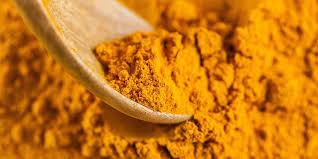
With all the talk about the benefits of turmeric and curcumin, many wonder what the difference is between the two. Turmeric is a plant scientifically known as Curcuma longa. It’s the roots, or “rhizomes” of this plant that is used in culinary spice powders and herbal tonics. Curcumin is a naturally occurring compound within the turmeric plant’s roots that provides its yellow color. Simply put, Turmeric is a spice used to season food, while curcumin is the active chemical in turmeric.
Therefore, if curcumin comes from turmeric, many wonder if it matter which one you take, or if one better than the other. Let’s try to break it down to see.
Turmeric roots contain a number of substances beyond curcumin. The turmeric spice you might have in your kitchen is made by drying and grinding whole turmeric root into a powder. Curcumin only makes up approximately 3% of the weight of turmeric root and it’s extracted by a scientific method known as chromatography, which separates each of the curcuminoids and allows curcumin to be isolated.
Another factor to consider in the curcumin vs. turmeric conversation is absorption. Neither curcumin nor turmeric is absorbed well without a little help from fats or oils. Turmeric root contains some natural oils that may enhance the bioavailability of the curcumin within it, but both are absorbed best when consumed with additional fats.
This would be an advantage to cooking with turmeric spice, as it would be more likely combined with fats or oils in foods. However, you would have to use a very large amount of turmeric to get the true benefits of the curcumin in it. That is why many decide to take a curcumin supplement.
Natural turmeric powder has low bioavailability, which means that most of the turmeric ingested is not absorbed by the intestines. To increase its bioavailability, researchers suggest a combination of turmeric and black pepper. Piperine, the active ingredient of black pepper, increases turmeric’s bioavailability by 2000%. Curcumin is found to be safe up to 12g/day (taken for a short period) but still it suffers from poor absorption, rapid metabolism and quick elimination from the body.
Turmeric’s active ingredient curcumin knocks out your body’s inflammatory “command center,” which can improve IBS symptoms. To help with irritable bowel syndrome, use fresh turmeric root in the kitchen. For a great recipe, click here. Add it to soups, stews, sauces, marinades, salad dressings, eggs and rice. Or look for a supplement with at least 90% or greater “curcuminoids.” It should also contain piperine (an extract from black pepper).
Once again, turmeric is the yellowish powder used to flavor foods, while curcumin is a chemical contained within turmeric. No matter if you decide to use more turmeric in your daily cooking, or if you’d rather take a curcumin supplement, be sure to choose a high quality, organic and non-GMO product.
Shut Down Inflammation with the “Spice of Life”
Curcumin is a powerful antioxidant that works by blocking certain proteins, enzymes and other molecules responsible for inflammation. It’s especially effective when it comes to blocking enzymes that produce pain. This makes it particularly helpful when it comes to treating arthritis pain and joint discomfort. The fact is, curcumin is so successful as a pain reliever that many people who start taking it are able to discontinue the use of dangerous anti-inflammatory drugs within just a matter of weeks.
It also comes with a few bonuses. Not only does curcumin work to shut down the pain associated with arthritis, it also helps ease morning stiffness so you can get moving around more quickly after you wake up. Some people even find that it’s helpful when it comes to reducing some of the irritating creaking and grating that often occurs during joint movement. And it does all of this without any of the devastating side effects associated with anti-inflammatory drugs
In addition to soothing your irritated joints, curcumin can work wonders to curb inflammation in your arteries. This is extremely important when it comes to protecting your cardiovascular health. Inflammation has a damaging effect on the delicate lining of your blood vessels. This eventually leads to endothelial dysfunction – a condition where the inner linings of blood vessels lose much of their ability to manage the traffic of critical blood flow to and from the heart. This is a critical warning sign of heart disease that could result in a heart attack. Curcumin can help to counteract endothelial dysfunction and improve blood flow by lowering markers of inflammation and reducing oxidative stress. In addition, it does all of this without any of the devastating side effects associated with prescription heart medications. This is great news for those living in {FL Town}.
The antioxidant and anti-inflammatory powers of curcumin even extend to your brain. Regular use can clear out a lot of the “gunk” that contributes to memory loss, Alzheimer’s and dementia out of your brain. This includes things like amyloid plaques, tau and heavy metals that interfere with brain activity. It can even improve memory in middle-aged and older adults. All you have to do is take 90 milligrams of curcumin twice a day for 18 months and it could boost your memory function by a whopping 28%! It also improves mood and attention span.
These are just a few of the benefits associated with this traditional Indian spice. It also works as well as Prozac to relieve depressive symptoms, has a favorable effect on insulin resistance and shows great promise in the fight against cancer. If all you have to do is take a daily curcumin supplement to achieve all of these results, it’s certainly worth the effort. For the best Turmeric and Curcumin supplement in {FL Town}, click here now!
Precaution:
The small amounts of turmeric used to flavor food rarely, if ever cause effects. Taking large doses of turmeric or purified curcumin for long periods of time though, such as several grams per day, can potentially cause side effects, including nausea, vomiting and diarrhea. High levels of turmeric can also inhibit blood clotting, which can increase the risk of severe bleeding in patients undergoing surgery or people who are taking other blood-thinning medications. If you have any concerns, always consult your doctor before taking large amounts of turmeric or curcumin supplements.
[wunderground location=”{FL Town}, FL”]
